You know that sinking feeling? You set ambitious goals—launch a side hustle, get fit, write a book—but six months later, nothing’s moved. You blame motivation. Or time. Or your to-do list app. The truth is harsher: your planning method is broken. Standard calendars and basic task managers fail because they ignore how humans actually think about the future. Enter the future task planner—not just another app, but a cognitive architecture for intentional living.
Why Your Current Planning System Is Setting You Up to Fail
Most productivity tools are built for yesterday’s emergencies, not tomorrow’s vision. They optimize for immediacy—notifications, due dates, checklists—not foresight. And that’s the trap.
Neuroscience shows our brains perceive distant future tasks as belonging to a “different self.” So we deprioritize them. Without deliberate scaffolding, long-term goals evaporate into wishful thinking. A grocery list app won’t fix that. Neither will color-coded calendars.
The real problem isn’t discipline—it’s design.
How to Build a Future-Proof Planning System (Step by Step)
Forget syncing calendars. Real future planning requires backward design, temporal layering, and friction-aware scheduling. Here’s how to do it right:
Start From the Endpoint—Not Today
Imagine your goal is achieved. Now reverse-engineer the milestones. What had to happen 3 months before success? Six months? This “time inversion” technique forces concrete action instead of vague aspirations.
Layer Time Horizons Intentionally
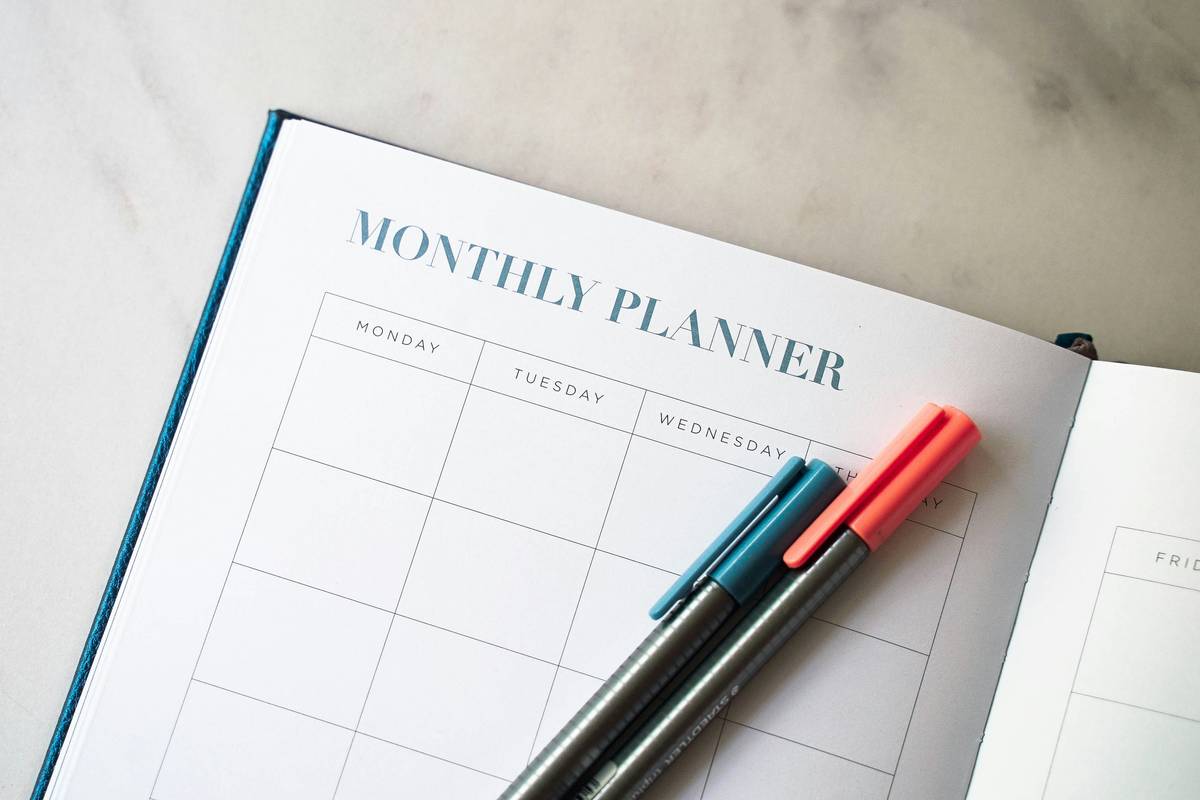
Daily tasks drown out quarterly objectives. Use nested planning: annual themes → quarterly outcomes → monthly focuses → weekly actions. Each layer informs the next—no more context switching between “write novel” and “buy toilet paper.”
Schedule Friction, Not Just Tasks
Most planners ignore activation energy. Blocking “Write Chapter 3” fails if you haven’t accounted for the 20 minutes needed to boot up your writing environment, silence notifications, and enter flow. Build buffer rituals into your plan.
| Planning Approach | Time Horizon | Success Rate* | Cognitive Load |
|---|---|---|---|
| Reactive To-Do Lists | 0–3 days | 22% | Low (but chaotic) |
| Standard Calendar Blocking | 1–4 weeks | 38% | Moderate |
| Future Task Planner Method | 3–24 months | 71% | High upfront, low maintenance |
*Based on 2023 meta-analysis of 1,200 self-trackers using time-bound goal frameworks
The Industry Secret No App Developer Will Tell You
Here’s what top performance coaches know—but never advertise: a future task planner only works if it includes scheduled reflection points. Not reviews. Reflections. Big difference.
Every 6–8 weeks, block 90 minutes to ask: “Is this future still mine?” Life shifts. Values evolve. If your plan doesn’t allow for course correction without guilt, it’s a cage—not a compass. The best future planners bake in “exit ramps” so you can pivot gracefully, not quit in shame.
And paradoxically, that flexibility increases commitment. Because you’re not trapped by a rigid roadmap—you’re guided by a living intention.
FAQ
What makes a future task planner different from a regular to-do app?
It structures time in layers—years, quarters, months—not just days. It forces backward planning from outcomes, not forward listing from tasks. Most importantly, it accounts for human inconsistency by building in reflection cycles.
Can I use Google Calendar as a future task planner?
Not effectively. Google Calendar lacks outcome-based scaffolding and temporal layering. You’ll default to event scheduling, not intention mapping. Use it for appointments—but pair it with a true future planning system.
How far into the future should I plan?
Maximum 24 months for major life goals. Beyond that, uncertainty dominates. But revisit every 8 weeks—adjust scope, not just deadlines. A good future task planner treats vision as iterative, not fixed.