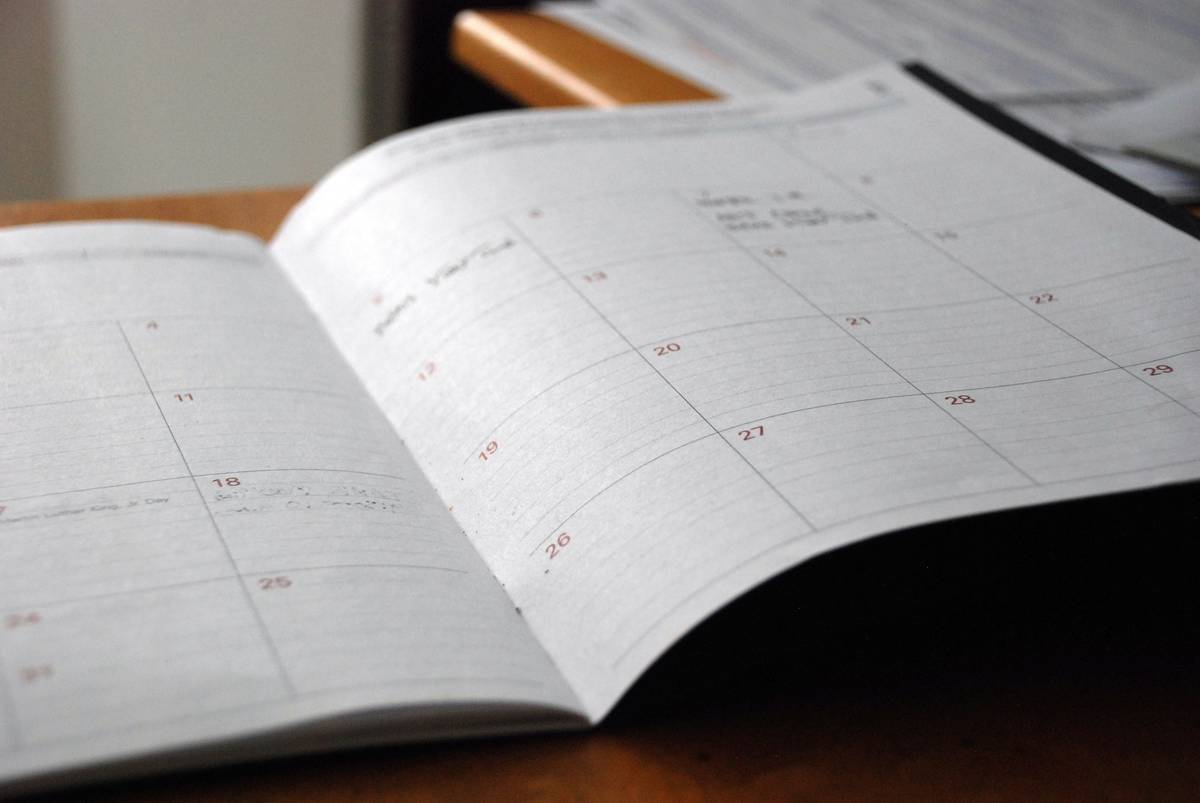
You wake up exhausted. Your calendar’s full, but your progress is hollow. You’ve tried habit trackers, bullet journals, even fancy AI schedulers—but none address the real problem: you’re planning tasks, not a life. A future life planner flips the script. It doesn’t optimize your Tuesday—it designs your decade.
Most Planning Fails Because It Ignores Time’s Asymmetry
Daily planners assume every hour is equal. They’re not. Some decisions compound for years—career pivots, health investments, relationship boundaries. Others vanish by lunchtime. Yet 90% of productivity apps treat replying to an email with the same weight as choosing where to live next year. That’s why burnout follows busyness. And why “getting things done” often leaves you feeling empty.
The flaw isn’t your discipline. It’s the tool’s horizon.
How to Build a Real Future Life Planner
Forget rigid templates. Effective future mapping requires fluidity across three layers: vision, architecture, and action. Here’s how top performers actually do it.
Start With Reverse Chronology
Don’t ask “What should I do today?” Ask: “What must be true in five years for me to feel fulfilled?” Work backward in 18-month increments. This forces prioritization on outcomes—not activity.
Map Energy, Not Just Time
Your cognitive bandwidth shifts weekly. Track when you’re sharp versus scattered for two weeks. Slot high-stakes decisions only in peak energy windows. Low-energy blocks? Reserve for maintenance tasks or rest—no guilt.
Embed Accountability Loops
Set quarterly “life reviews,” not daily checklists. Compare actual progress against your reverse timeline. Adjust. Celebrate detours that led somewhere better. Most apps skip this—they’re built for compliance, not evolution.
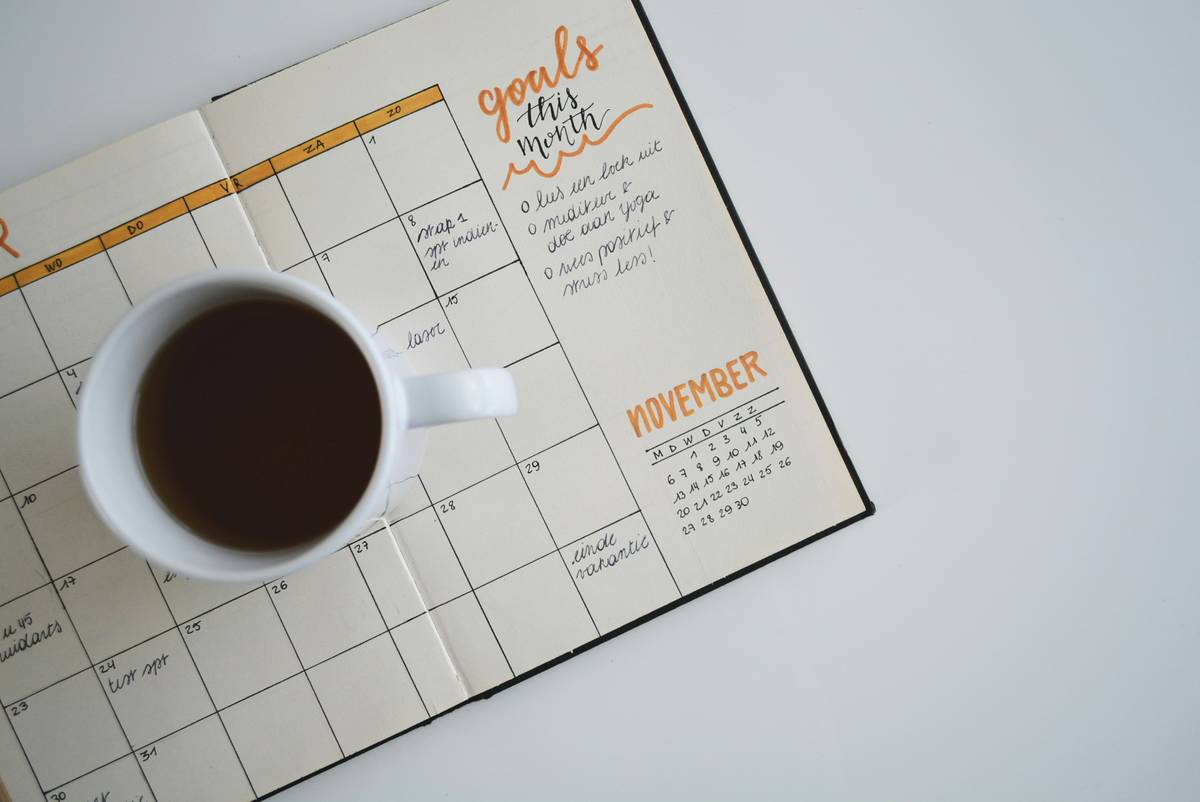
| Approach | Tools Used | Time Investment | Long-Term ROI |
|---|---|---|---|
| Traditional To-Do Lists | Todoist, Apple Reminders | 10–15 min/day | Low (task completion only) |
| Habit Trackers | Streaks, Habitica | 5 min/day | Medium (behavioral consistency) |
| Future Life Planner | Addqin, Notion + custom timelines | 2–3 hrs/quarter + 20 min/week | High (aligned life design) |
The Industry Secret: Your Planner Should Break Regularly
Here’s what no app developer admits: if your system never fails, it’s too rigid—or too vague. Real growth happens in the friction between plan and reality. The best future life planner frameworks include “break points”—scheduled moments to dismantle assumptions. Every six months, ask: “What did I get completely wrong?” Then rebuild. This isn’t chaos. It’s intelligent iteration. Most users cling to broken systems out of sunk-cost bias. Don’t.
FAQ
What’s the difference between a future life planner and a vision board?
A vision board inspires. A future life planner executes. It includes deadlines, dependencies, resource mapping, and fallback paths—turning dreams into engineered outcomes.
Can I use a future life planner if my life is unpredictable?
Especially then. Uncertainty demands clearer long-term anchors. Your planner defines non-negotiables so daily chaos doesn’t derail your core trajectory.
How often should I update my future life planner?
Quarterly deep reviews. Weekly light adjustments. Never daily—that’s task management, not life design.