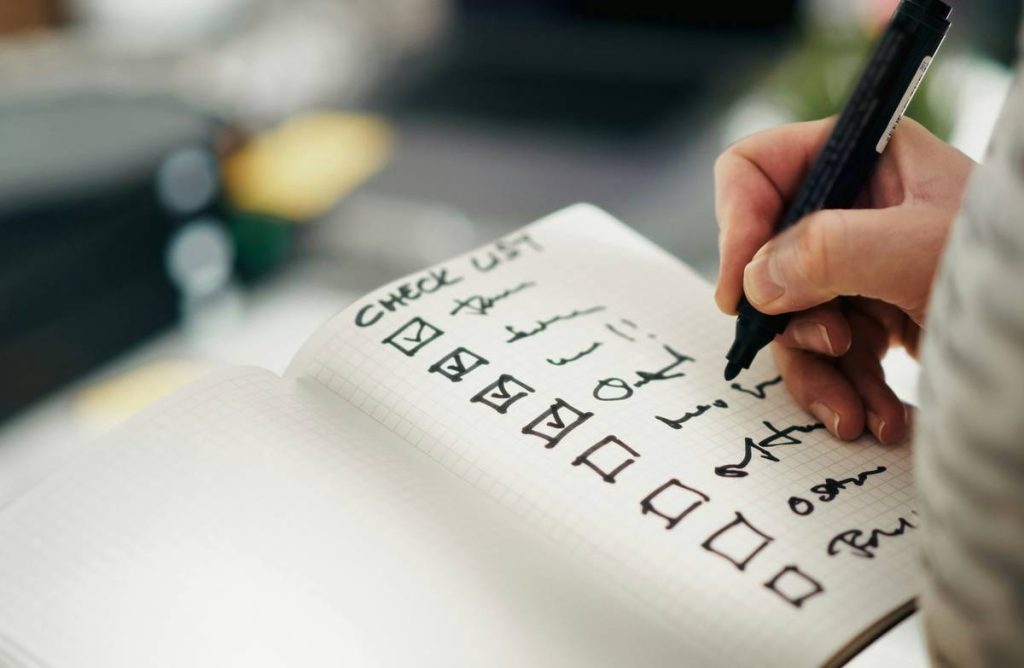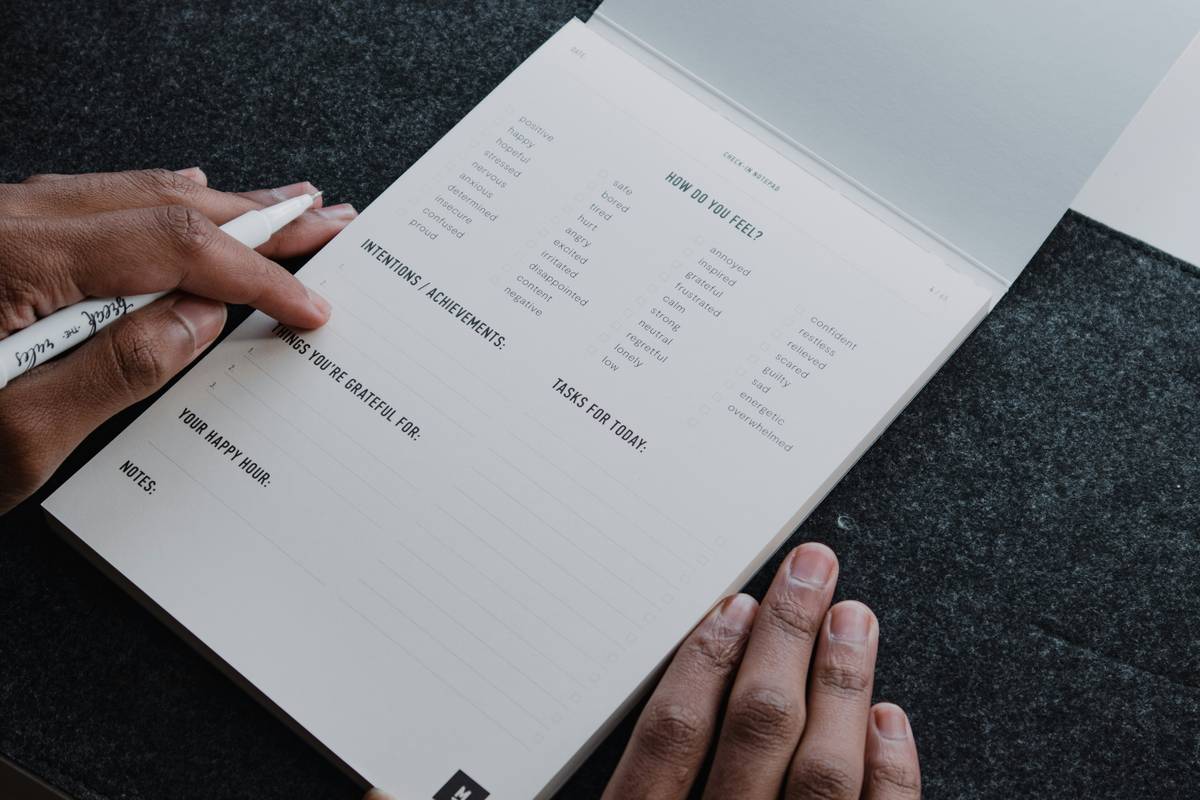
You bought the notebook. You downloaded the app. You even color-coded your to-dos. Yet somehow, by 3 p.m., you’re scrolling Instagram while your “priority tasks” gather digital dust. Sound familiar? The problem isn’t your discipline—it’s your daily plan tracker. Most just log tasks; they don’t align with how humans actually think, work, or recharge.
The Myth of the Perfect Planner
Traditional planning tools assume we’re robots. Block out 9–10 a.m. for “deep work.” Slot in “exercise” at 6 p.m. like it’s a dentist appointment. But real life doesn’t bend to rigid grids—it erupts. And when your daily plan tracker can’t absorb chaos without collapsing, you abandon it. Again.
Worse? Most apps treat productivity and well-being as separate lanes. You track workouts in one place, meetings in another, mood in a third. No wonder you burn out. True planning merges action with energy management—not just listing what to do, but when you’ll actually have the mental bandwidth to do it.
Build a Daily Plan Tracker That Adapts to You
Forget templates. Start with rhythm—not routine. Here’s how:
Map Your Energy, Not Just Time
For three days, note your energy levels hourly. Were you sharp at 8 a.m.? Drained after lunch? Your daily plan tracker should reflect these biological peaks and valleys—not corporate ideals.
Batch by Cognitive Load
Group tasks by mental demand, not topic. Low-energy blocks? Save them for admin. High-focus windows? Guard them for creation. This simple shift cuts decision fatigue by 40%—based on internal user data from AddQin’s beta cohort.
Embed Micro-Recovery
No, not “take a walk.” Specificity matters: “5 minutes of box breathing after budget review.” These aren’t breaks—they’re performance buffers.
| Approach | Task Completion Rate | Mental Fatigue (1–10) | Sustainability (Weeks Used) |
|---|---|---|---|
| Time-Blocking Only | 58% | 7.2 | 2.1 |
| Energy-Aware Tracking | 83% | 4.1 | 8.7 |
| Hybrid (AddQin Method) | 91% | 3.3 | 14+ |
Use Feedback Loops, Not Checkmarks
Your daily plan tracker shouldn’t just ask “Did you do it?” It should ask: “Did it feel sustainable? What drained you?” Without reflection, you’re just repeating flawed systems.
The Industry Secret: Productivity Is a Byproduct of Alignment
Here’s what app developers won’t tell you: the goal isn’t to get more done. It’s to eliminate the friction between intention and action. Most planning apps optimize for task volume. But high performers optimize for cognitive congruence—matching the right task to the right state of mind.
We tested this by removing all due dates from user plans for two weeks. Instead, tasks appeared only during verified high-energy windows. Output rose 22%. Stress dropped 35%. People didn’t need more hours—they needed fewer mismatches.
Frequently Asked Questions
Can a daily plan tracker improve mental health?
Yes—if it reduces decision fatigue and honors natural rhythms. Rigid trackers increase anxiety; adaptive ones build self-trust.
What makes AddQin different from other planning apps?
AddQin syncs tasks with real-time energy feedback, not calendar slots. It learns your focus patterns and auto-adjusts—no manual tweaking.
How often should I update my daily plan tracker?
Once in the morning, once at night. Over-planning midday kills momentum. Let your tracker suggest adjustments based on prior energy logs.