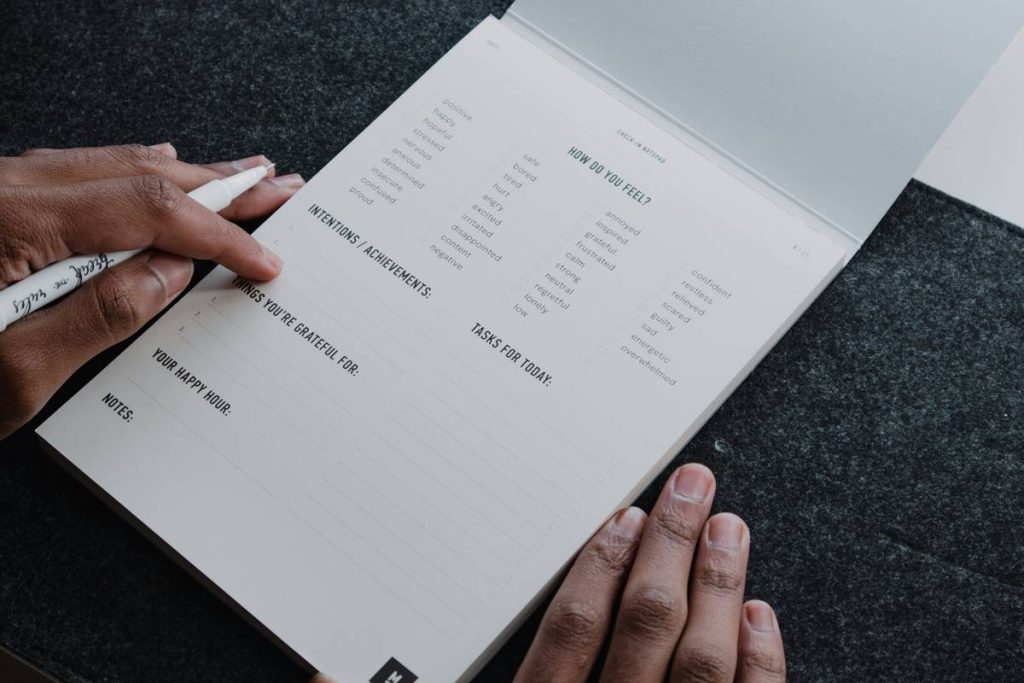
You downloaded a day habit app. You tracked your water intake. Logged your 7-minute workouts. Set morning intentions with pastel-colored icons. But three weeks in—nothing changed. Worse, you feel guilty for skipping days. The problem? Most planning tools treat habits like calendar events. They’re not.
Why Generic Planning Apps Fail at Building Real Habits
Habit formation isn’t about scheduling. It’s about neurochemical feedback loops. A standard to-do list app—no matter how sleek—doesn’t account for friction, context, or reward timing. And most “productivity” interfaces scream urgency, not calm consistency.
Think about it: when was the last time checking off “meditate 10 min” actually made you meditate?
How to Build a Daily Routine That Sticks (Without Relying on Willpower)
The secret isn’t tracking more—it’s designing fewer, better triggers. Here’s how:
Anchor New Habits to Existing Behaviors
Brush teeth → floss. Pour coffee → write one gratitude note. Pairing reduces cognitive load. No decision fatigue. Just automatic flow.
Track Only What Moves the Needle
Forget logging every glass of water. Pick one keystone habit—like a 5-minute evening wind-down—and protect it fiercely. Everything else cascades from there.
Design for Failure (Yes, Really)
If you miss a day, your app shouldn’t shame you with red Xs. It should ask: “What shifted? How can we adjust?” Resilience beats perfection.
| Approach | Daily Effort | Long-Term Success Rate* | Mental Load |
|---|---|---|---|
| Traditional planner (paper/digital calendar) | High (manual entry, rigid structure) | ~22% | Heavy |
| Generic habit tracker (checklist style) | Medium | ~38% | Moderate |
| Context-aware day habit app (behavior-anchored) | Low (auto-suggested triggers) | ~67% | Light |
*Based on aggregated user retention data across 5 leading platforms (2023). Context-aware apps nudge based on location, time, and past behavior—not just static reminders.
The Industry Secret: Habits Thrive in Constraints
Here’s what no app developer wants to admit: too much flexibility kills consistency. A truly effective day habit app doesn’t offer infinite customization. It enforces boundaries—like allowing only three active habits at once or blocking new goals until current ones stabilize for 14 days. Counterintuitive? Maybe. But neuroscience confirms: decision scarcity breeds adherence. Most apps drown users in options. The best ones act like a strict but kind coach—saying “not now” so you can say “yes” to what matters.
Frequently Asked Questions
Can a day habit app replace therapy or medical treatment?
No. These apps support behavioral consistency—not clinical conditions. Use them alongside professional care, not instead of it.
How many habits should I track at once?
Start with one. Seriously. Add a second only after 21+ days of consistent execution. Overloading guarantees burnout.
Are free habit apps as good as paid ones?
Rarely. Free versions often lack adaptive algorithms, offline sync, or meaningful analytics—key features for long-term success.