You’ve downloaded the app. You’ve color-coded your hydration goals. You’ve even synced it with your smartwatch. Yet—somehow—you still feel overwhelmed, uncentered, and behind on your wellness goals. The problem isn’t your commitment. It’s your wellness planning tool. Most apps treat well-being like a to-do list: checkbox after checkbox, devoid of rhythm, reflection, or humanity.
Why Generic Planners Fail at True Wellness
Planning isn’t the issue. Misaligned planning is. Traditional productivity apps force you into rigid time blocks optimized for output—not restoration. They reward busyness, not balance.
Wellness isn’t linear. Your energy fluctuates. Your focus wanes. Your emotional bandwidth shifts daily. A static planner ignores this truth—and sets you up for guilt when life inevitably disrupts the grid.
And here’s the kicker: most “wellness features” in mainstream planners are bolted on as afterthoughts. Meditation reminders next to grocery lists. Breathing exercises sandwiched between back-to-back Zoom calls. No wonder they get ignored.
How to Build a Living Wellness Planning System That Actually Works
Forget syncing calendars. Start syncing with yourself.
Map Energy, Not Just Time
Track your natural highs and lows for three days. When do you feel most focused? When do you crash? Schedule deep work during peaks—and recovery rituals during valleys. A wellness-focused planner should reflect biological reality, not corporate fantasy.
Design Micro-Rituals, Not Mega-Goals
“Drink more water” fails because it’s vague. Instead: “After my 10 a.m. email sweep, I’ll sip 8 oz while looking out the window.” Specificity + sensory anchoring = habit longevity.
Embed Reflection Loops
End each day with one question: “Did today serve my well-being—or just my inbox?” If you can’t answer honestly, your tool isn’t serving you.

| Approach | Traditional Planner | Living Wellness Planning Tool |
|---|---|---|
| Time View | Hour-by-hour slots | Energy zones (Peak / Neutral / Recovery) |
| Habit Tracking | Binary checkboxes | Context-aware micro-actions with reflection prompts |
| Wellness Integration | Add-on modules (often unused) | Core design principle—woven into every screen |
| User Outcome | More tasks done | Greater alignment between action and intention |

The Industry Secret Nobody Talks About
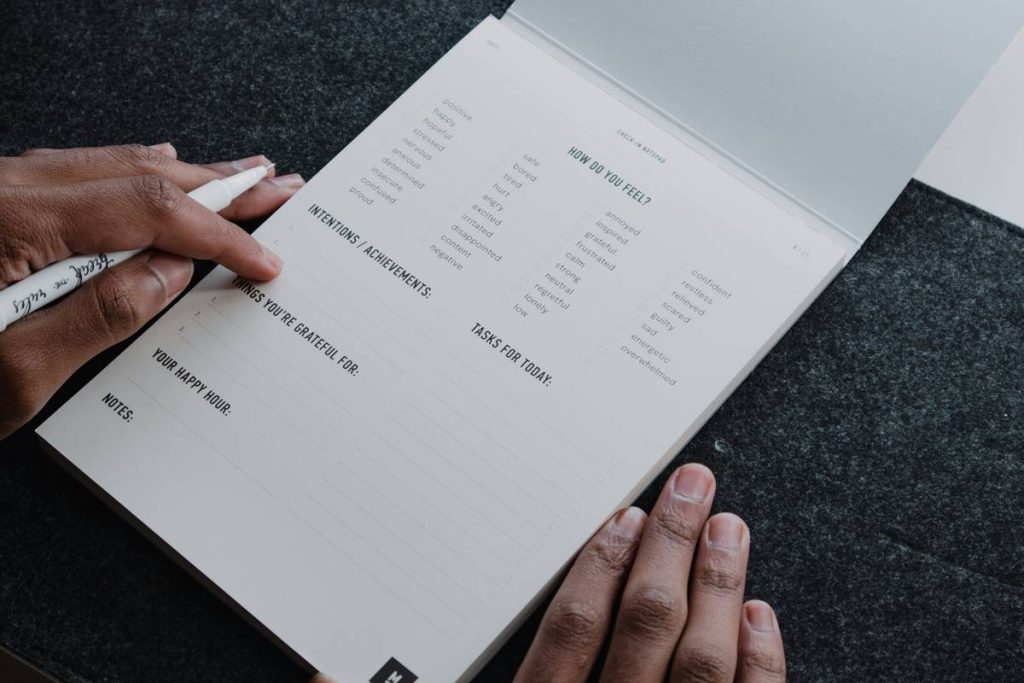
Top-performing wellness coaches don’t use digital tools alone. They combine analog reflection with digital execution. Why? Because handwriting activates neural pathways linked to emotional processing—something tapping a screen can’t replicate.
Here’s the reality: your brain needs friction to encode meaning. Scrolling through a sleek app feels efficient—but it’s emotionally shallow. That’s why the most effective wellness planning tool systems include a 5-minute morning journaling ritual before opening any app.
Think about it. Would you trust a financial advisor who never reviewed your actual spending habits—and just guessed based on calendar entries? Of course not. Yet that’s exactly what we do with our well-being.
Frequently Asked Questions
What makes a wellness planning tool different from a regular planner?
It prioritizes energy management, emotional context, and reflective feedback loops—not just task completion. It adapts to your biology, not corporate time norms.
Can I use a paper planner as a wellness planning tool?
Absolutely—if you design it around energy rhythms and include space for daily reflection. Digital tools offer automation; paper offers presence. Blend both for best results.
How often should I update my wellness plan?
Weekly. Life shifts. Your tool should too. A rigid monthly template breaks under real-world pressure. Build in flexibility by reviewing every Sunday evening.